Ask a retinal clinician to establish whether you have diabetic retinopathy, whether the macula is affected, and whether observation, injections, laser or surgery is appropriate. Before starting treatment in Korea, agree who will continue care in the United States and obtain the imaging and treatment record. Good everyday vision does not rule out early diabetic retinal disease. [1, 2]
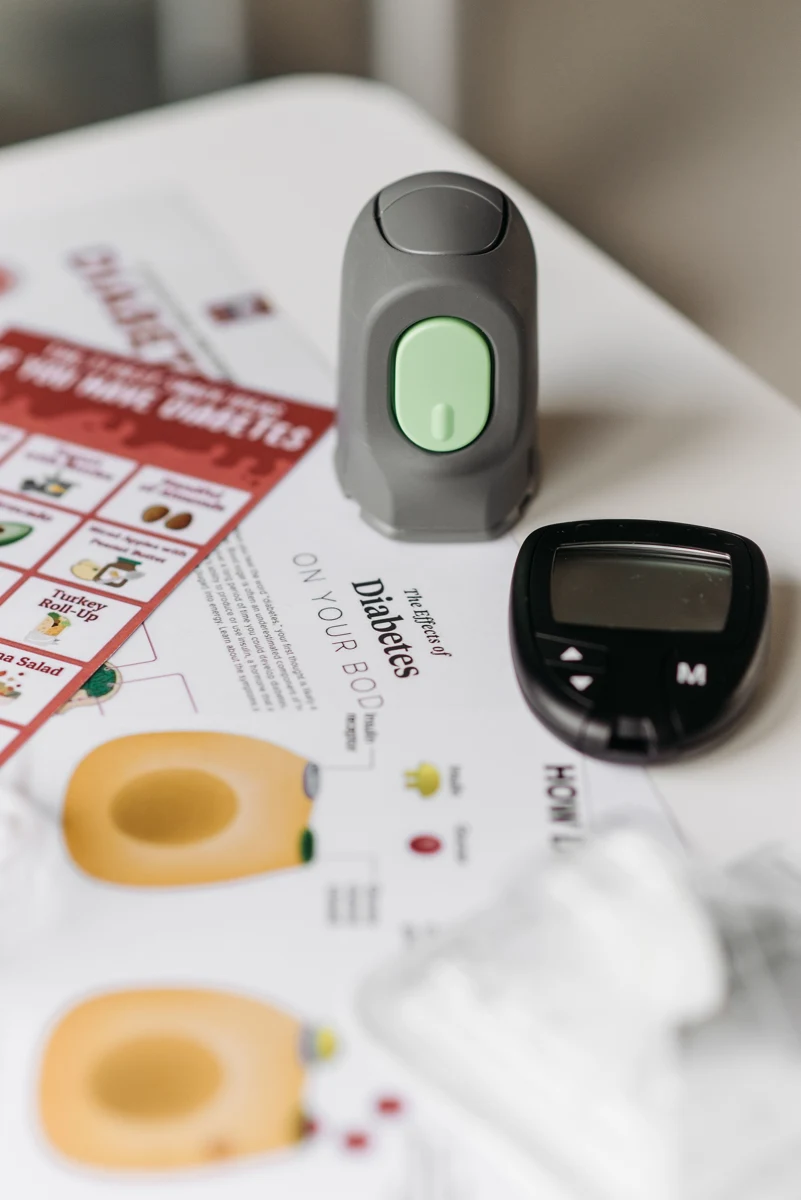
Decide whether you need screening or an established-disease review
An appointment to look for retinal disease is different from an appointment to review treatment already underway. Tell the clinic which applies to you. If you have never been given a retinal diagnosis, request a diabetic eye assessment. If you have had injections, retinal laser or surgery, ask for a clinician who can review that history and the current treatment question.
Avoid starting with a request for a named injection or device simply because you saw it advertised. The same broad label can include different clinical situations. Give the team enough information to choose the right appointment, and ask whether records can be reviewed before dates are confirmed. This can reveal whether the visit is likely to be useful or whether your existing local pathway already answers the question.
Understand why comfortable vision is not a screening result
Diabetic retinopathy affects blood vessels in the retina and may have no obvious symptoms early on. The macula is the central retinal area important for detailed vision; fluid affecting it is called diabetic macular edema. These distinctions help explain why a person can need an examination even when daily vision seems acceptable. [1]
Ask the clinician to describe the result for each eye and whether the central retina is involved. Write down the actual diagnosis rather than a vague phrase such as “diabetes in the eyes.” If no treatment is needed now, ask what follow-up is recommended and why. Observation can be an active plan when it includes a clear review schedule, rather than a reason to stop attending eye appointments.
Build a record of previous retinal treatment
Request earlier reports, retinal photographs and OCT results where available. List each treatment with its date and the eye treated. For injections, obtain the medicine name and dose from the clinical record rather than relying on the color of packaging or a remembered brand. For laser or surgery, request the procedure summary and subsequent findings.
Tell the new clinician about reactions, missed appointments, changes in vision and reasons for changing treatment. Include the contact details of the US retina practice if you authorize communication. A simple dated timeline makes a long history easier to understand, but keep the original documents too. The timeline should organize evidence, not replace it or imply that an incomplete record is complete.
Ask what the examination needs to establish
A dilated retinal examination allows the clinician to inspect the retina. OCT can show retinal structure and fluid; photographs can document findings. Other imaging may be considered when the clinician needs additional information about retinal circulation. Ask what question each examination addresses and whether its result will change the recommendation. [2]
Request preparation instructions and ask whether temporary visual effects from dilation will affect driving or other plans that day. Allow time to receive an explanation after testing. A clinic visit that produces a collection of files without a clinical conclusion does not answer the treatment question. Ask for both the findings and a plain-language account of their significance so the results remain useful when you return home.
Separate the diagnosis from the treatment menu
Treatment can include observation, medicines injected into the eye, retinal laser or surgery, depending on the findings. These approaches are not interchangeable options chosen by price alone. Some patients need repeated treatment, while others are monitored without an immediate procedure. [1, 2]
Ask why a particular intervention is proposed for your eye now, what change it is intended to produce, and how the response will be judged. If several options are reasonable, request the advantages, burdens and important risks of each. A useful comparison includes the number and location of expected follow-up visits, without pretending the eventual course can always be predicted at the first examination. Keep the option of continuing treatment near home in the discussion.
If injections are proposed, plan the next decision too
Before receiving an injection abroad, ask for the medication, indication, treated eye and intended review plan in writing. Discuss the procedure’s risks with the clinician, including infection and the symptoms that require urgent assessment afterward. [7] Ask how to reach a local service if a problem develops when the treating clinic is closed.
Then contact the US practice expected to continue care. Can it review the records, assess the response and provide the proposed treatment when appropriate? Do not assume that one clinic’s schedule or medication choice will automatically be adopted by another. Agree on the handover before purchasing a series of overseas visits. The relevant unit of comparison is a maintainable course of care, not an isolated procedure advertised at a low starting price.
If laser or surgery is discussed, clarify the purpose
“Laser treatment” is not a sufficiently detailed description for consent or a cross-border handover. Ask the clinician to name the procedure, explain which retinal problem it addresses and discuss the important trade-offs. If surgery is suggested, ask about the expected stay, postoperative reviews and any travel restrictions that apply to the actual operation. [8]
A return flight should follow medical advice rather than determine the treatment timetable. In particular, any use of an intraocular gas bubble requires specific instructions about flying; never assume a standard tourist itinerary is safe after retinal surgery. Ask the operating team for written clearance requirements and the plan if recovery changes. If you cannot accommodate the needed follow-up, discuss whether treatment closer to home is more practical.
Coordinate with the clinician managing your diabetes
Eye care and diabetes care should exchange relevant information. Bring your medication list and recent results your treating clinicians consider important, such as diabetes monitoring and blood-pressure information. Managing diabetes and associated risk factors remains part of protecting eye health; retinal treatment does not replace that care. [3]
Ask your usual clinician how to handle travel-related practical issues, especially if appointments or procedures may affect meals or routine medication timing. Do not alter diabetes medicine because of general advice in a travel article. Let the Korean eye clinic know about relevant medical conditions and allergies before any procedure. A concise summary from the US team can make the consultation safer and more efficient without requiring you to explain every previous appointment from memory.
Relevant Seoul clinics and the questions to send
Jamsil Samsung Eye Clinic lists diabetic retinopathy among its retinal services on its official website. It is a relevant place to ask about an assessment and whether the proposed clinician can review your existing treatment course. Confirm the particular treatment and referral pathway your case may need rather than inferring every intervention from a service heading. [4]
Seoul Shinsegae Eye Center lists diabetic retinopathy and a retinal clinic on its official services page. Ask whether it can provide a retinal opinion, a written imaging report and direct communication with your US clinician. [5] Neither listing establishes comparative outcomes or guarantees that treatment can be completed in one visit.
Compare the whole cost with your US alternative
Ask for the consultation and imaging costs separately from treatment, then clarify whether charges are per eye, per visit or per procedure. Include the report, interpretation, medication and any additional examination. If a course of care is proposed, ask what could change its frequency and total cost; a fixed estimate cannot remove clinical uncertainty.
US insurance needs a separate conversation. Medicare generally excludes overseas care except for limited exceptions, and travel insurance is not automatically coverage for planned treatment. [6] Ask the relevant insurer about the exact service and about follow-up after returning. Compare your own likely payment in the United States with the full Korean pathway, including flights and repeated stays. Do not compare an insured US bill with an overseas headline price as though they describe equivalent coverage.
Keep an uninterrupted route back to retinal care
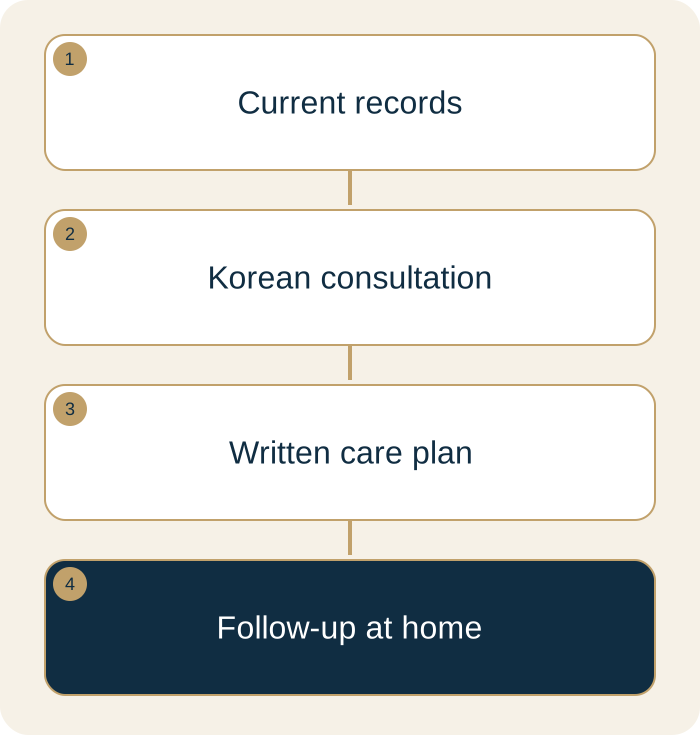
Arrange a US appointment or confirmed contact pathway before departure. Ask the receiving practice which records are needed and how quickly they can assess a patient who has been treated elsewhere. Keep copies of imaging, procedure notes and the medication record accessible while traveling. If the plan changes in Korea, update the US team rather than relying on the original booking message.
At discharge, confirm who is responsible for the next examination and what happens if the appointment cannot take place as planned. Do not stretch a treatment interval on your own to fit a flight. Our US follow-up checklist helps organize the transfer, but the retinal clinician must determine the medical timing.
Know when travel planning must stop
Sudden changes in vision, new dark floating spots or other acute symptoms need prompt local assessment; they should not wait for an overseas appointment. The NEI describes bleeding-related floaters as a possible complication of diabetic retinopathy that needs treatment attention. [1] After any intervention, follow the treating clinician’s specific emergency instructions.
For a nonurgent second opinion, finish with four answers: the diagnosis in each eye, the reason for the proposed action, the next review and the clinician responsible for it. If one answer is missing, ask before leaving. A sound decision may be to obtain the opinion in Seoul and continue treatment in the United States, or to postpone travel altogether. The useful outcome is a plan that preserves access to care beyond the trip.
What if my next retinal injection falls during the trip?
Write down three separate dates: the last injection, the next planned examination and the next possible treatment. Ask which are confirmed. If you cannot attend, contact the team that currently treats you before changing travel plans. Ask them to agree on timing with the receiving clinic and send the drug name, treated eye and most recent scan. An appointment for an opinion does not automatically reserve treatment.
Compare clinics and request a consultation
Listing order is not a clinical quality ranking. Confirm suitability, the treating doctor, interpretation and a written quote directly.
Jamsil Samsung Eye Clinic
Jamsil · Seoul
A family-oriented ophthalmology clinic listing refractive surgery, lens implantation, cataract care, and dry-eye and tear-duct services.
Read the clinic profileVisit the official clinic websiteSeoul Shinsegae Eye Center
Seoul
An eye center with published services across refractive surgery, cataracts, glaucoma, retinal disease, oculoplastics, and pediatric ophthalmology.
Read the clinic profileVisit the official clinic websitePatient questions
Can diabetic retinopathy be present if I see clearly?
Yes. Early disease may not cause noticeable symptoms, so a clinician-directed examination schedule remains important. Your everyday vision does not replace a retinal assessment. [1]
Can one injection in Korea finish my treatment?
Do not assume that. Retinal medicines may require repeat treatment and review. Ask for a course-of-care discussion and a plan your US retina practice can evaluate. [2]
Does a clinic’s one-day service mean I will only need one visit?
No. A service label does not determine the follow-up needed for an individual diagnosis. Ask what can be completed at the initial appointment and what further care may follow.
Should I cancel my US retinal appointment when booking Seoul?
Keep the existing care pathway until the responsible clinicians agree on an alternative. An overseas booking does not ensure that records, medication access or subsequent reviews have been arranged.
Sources and editorial scope
- NEI: diabetic retinopathy
https://www.nei.nih.gov/eye-health-information/eye-conditions-and-diseases/diabetic-retinopathy - ASRS: diabetic retinopathy assessment and treatment
https://www.asrs.org/patients/retinal-diseases/3/diabetic-retinopathy - NIDDK: diabetic eye disease
https://www.niddk.nih.gov/health-information/diabetes/overview/preventing-problems/diabetic-eye-disease - Jamsil Samsung: official services and medical team
https://www.jamsilsamsungeyeclinic.com/about-us - Seoul Shinsegae: official services
https://www.seoulshinsegaeeyecenter.com/en-US - Medicare: overseas medical coverage
https://www.medicare.gov/coverage/travel-outside-the-u.s. - ASRS: intravitreal injection risks
https://www.asrs.org/patients/retinal-diseases/33/intravitreal-injection - NEI: vitrectomy and gas-bubble travel precautions
https://www.nei.nih.gov/eye-health-information/eye-conditions-and-diseases/retinal-detachment/vitrectomy
Information to help you prepare for a consultation. Your ophthalmologist determines the diagnosis, treatment options and follow-up after examining your eyes.